Top Sources of Debt Financing for Startups in 2025 sets the stage for this enthralling narrative, offering readers a glimpse into a story that is rich in detail and brimming with originality from the outset.
As we delve into the realm of debt financing for startups in 2025, we uncover a myriad of options and strategies that shape the financial landscape for emerging businesses.
Types of Debt Financing
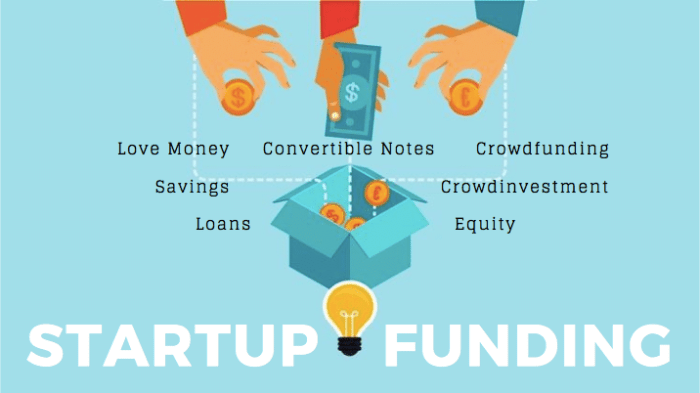
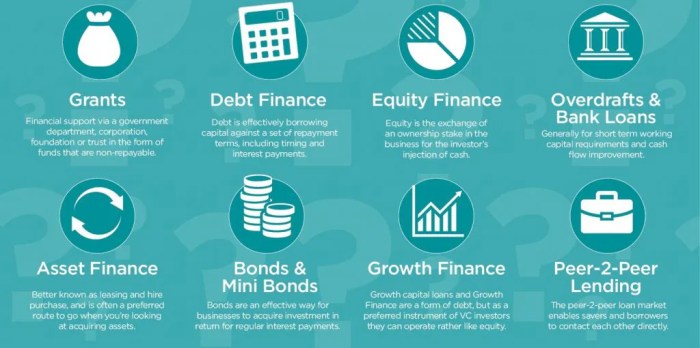
Debt financing is a common way for startups to raise capital, and in 2025, there are various options available to them. These options can include traditional bank loans as well as alternative forms of debt financing.
Traditional Bank Loans
Traditional bank loans are a common form of debt financing where a startup borrows a specific amount of money from a bank and agrees to pay it back with interest over a set period of time. These loans typically have fixed interest rates and repayment schedules.
Convertible Notes
Convertible notes are a type of debt financing that is commonly used in early-stage startups. In this scenario, an investor loans money to a startup with the expectation that the loan will convert into equity at a later date, typically during a future funding round.
Venture Debt
Venture debt is another form of debt financing where startups borrow money from specialized lenders or venture capital firms. Unlike traditional bank loans, venture debt is often provided to startups that have already raised equity financing and need additional capital to fuel growth.
Revenue-Based Financing
Revenue-based financing is a unique form of debt financing where a startup borrows money based on its future revenue projections. In this model, the repayment of the loan is tied to the startup's revenue, with repayments increasing as revenue grows.
Top Sources of Debt Financing
In 2025, startups have several options when it comes to accessing debt financing to support their growth and operations. Let's explore some of the top sources available:
Role of Banks and Financial Institutions
Banks and financial institutions play a crucial role in providing debt financing to startups. These traditional lenders offer various loan products tailored to the needs of startups, such as lines of credit, term loans, and equipment financing. Startups can benefit from the expertise and financial stability of banks and financial institutions when seeking debt financing.
Crowdfunding Platforms and Peer-to-Peer Lending
Crowdfunding platforms and peer-to-peer lending have emerged as alternative sources of debt financing for startups in 2025. These platforms enable startups to raise funds from a large number of individual investors or lenders. Crowdfunding platforms allow startups to pitch their ideas and projects to a wide audience, while peer-to-peer lending connects startups directly with individual lenders willing to provide financing.
These alternative sources of debt financing offer startups flexibility and access to capital that may not be available through traditional lenders.
Trends in Debt Financing for Startups

Debt financing for startups has been evolving rapidly over the years, driven by various factors such as technological advancements, changing market dynamics, and global economic conditions. By analyzing current trends, we can predict how debt financing for startups might look by 2025.
Impact of Technology on Accessibility and Terms
Technology has revolutionized the way startups access debt financing. Online lending platforms, crowdfunding, and peer-to-peer lending have made it easier for startups to connect with potential lenders. By 2025, we can expect even more innovative fintech solutions that streamline the borrowing process and offer more favorable terms to startups.
Influence of Macroeconomic Factors
Macroeconomic factors such as interest rates, inflation, and overall economic stability play a crucial role in determining the availability of debt financing options for startups. By closely monitoring these factors, startups can better anticipate market conditions and make informed decisions when seeking debt financing.
As we approach 2025, the global economic landscape is expected to impact the interest rates and terms offered to startups, shaping their financing options.
Strategies for Securing Debt Financing
When it comes to securing debt financing for startups, there are several strategies that can improve the chances of success. From building a strong credit profile to negotiating favorable terms with lenders, these tips can make a significant difference in the funding process.
Building a Strong Credit Profile
One of the most important strategies for securing debt financing is to build a strong credit profile. Lenders often look at the credit history of the business owners to assess the risk of lending money. Startups should focus on maintaining a good credit score by paying bills on time, reducing debt, and managing credit responsibly.
Negotiating Terms with Lenders
Effective negotiation with lenders is key to securing favorable terms for debt financing. Startups should research different lenders, understand their terms and conditions, and be prepared to negotiate for lower interest rates, flexible repayment schedules, and other favorable terms. Building a strong business case and demonstrating the potential for growth can strengthen the negotiating position.
Importance of Financial Projections
Having solid financial projections is crucial for securing debt financing. Lenders want to see a clear plan for how the borrowed funds will be used and how the business will generate revenue to repay the loan. Startups should prepare detailed financial projections that are realistic, based on market research and industry trends.
A well-thought-out financial plan can instill confidence in lenders and increase the chances of securing debt financing.
Last Word
In conclusion, the landscape of debt financing for startups in 2025 is dynamic and full of potential, with various avenues for securing financial support. By staying informed and proactive, startups can navigate this terrain with confidence and strategic acumen.
Question Bank
What are the key differences between traditional bank loans and alternative debt financing options for startups?
Traditional bank loans typically involve fixed terms and interest rates, while alternative options like venture debt may offer more flexibility in repayment terms and equity options.
How can startups improve their chances of securing debt financing in 2025?
Startups can enhance their chances by maintaining a strong credit profile, providing solid financial projections, and demonstrating a clear plan for utilizing the funds effectively.
What role do crowdfunding platforms play in providing debt financing for startups?
Crowdfunding platforms allow startups to access funding from a large pool of individual investors, offering a more democratized approach to debt financing compared to traditional avenues.
Top Sources of Debt Financing for Startups in 2025 sets the stage for this enthralling narrative, offering readers a glimpse into a story that is rich in detail and brimming with originality from the outset.
As we delve into the realm of debt financing for startups in 2025, we uncover a myriad of options and strategies that shape the financial landscape for emerging businesses.
Types of Debt Financing
Debt financing is a common way for startups to raise capital, and in 2025, there are various options available to them. These options can include traditional bank loans as well as alternative forms of debt financing.
Traditional Bank Loans
Traditional bank loans are a common form of debt financing where a startup borrows a specific amount of money from a bank and agrees to pay it back with interest over a set period of time. These loans typically have fixed interest rates and repayment schedules.
Convertible Notes
Convertible notes are a type of debt financing that is commonly used in early-stage startups. In this scenario, an investor loans money to a startup with the expectation that the loan will convert into equity at a later date, typically during a future funding round.
Venture Debt
Venture debt is another form of debt financing where startups borrow money from specialized lenders or venture capital firms. Unlike traditional bank loans, venture debt is often provided to startups that have already raised equity financing and need additional capital to fuel growth.
Revenue-Based Financing
Revenue-based financing is a unique form of debt financing where a startup borrows money based on its future revenue projections. In this model, the repayment of the loan is tied to the startup's revenue, with repayments increasing as revenue grows.
Top Sources of Debt Financing
In 2025, startups have several options when it comes to accessing debt financing to support their growth and operations. Let's explore some of the top sources available:
Role of Banks and Financial Institutions
Banks and financial institutions play a crucial role in providing debt financing to startups. These traditional lenders offer various loan products tailored to the needs of startups, such as lines of credit, term loans, and equipment financing. Startups can benefit from the expertise and financial stability of banks and financial institutions when seeking debt financing.
Crowdfunding Platforms and Peer-to-Peer Lending
Crowdfunding platforms and peer-to-peer lending have emerged as alternative sources of debt financing for startups in 2025. These platforms enable startups to raise funds from a large number of individual investors or lenders. Crowdfunding platforms allow startups to pitch their ideas and projects to a wide audience, while peer-to-peer lending connects startups directly with individual lenders willing to provide financing.
These alternative sources of debt financing offer startups flexibility and access to capital that may not be available through traditional lenders.
Trends in Debt Financing for Startups
Debt financing for startups has been evolving rapidly over the years, driven by various factors such as technological advancements, changing market dynamics, and global economic conditions. By analyzing current trends, we can predict how debt financing for startups might look by 2025.
Impact of Technology on Accessibility and Terms
Technology has revolutionized the way startups access debt financing. Online lending platforms, crowdfunding, and peer-to-peer lending have made it easier for startups to connect with potential lenders. By 2025, we can expect even more innovative fintech solutions that streamline the borrowing process and offer more favorable terms to startups.
Influence of Macroeconomic Factors
Macroeconomic factors such as interest rates, inflation, and overall economic stability play a crucial role in determining the availability of debt financing options for startups. By closely monitoring these factors, startups can better anticipate market conditions and make informed decisions when seeking debt financing.
As we approach 2025, the global economic landscape is expected to impact the interest rates and terms offered to startups, shaping their financing options.
Strategies for Securing Debt Financing
When it comes to securing debt financing for startups, there are several strategies that can improve the chances of success. From building a strong credit profile to negotiating favorable terms with lenders, these tips can make a significant difference in the funding process.
Building a Strong Credit Profile
One of the most important strategies for securing debt financing is to build a strong credit profile. Lenders often look at the credit history of the business owners to assess the risk of lending money. Startups should focus on maintaining a good credit score by paying bills on time, reducing debt, and managing credit responsibly.
Negotiating Terms with Lenders
Effective negotiation with lenders is key to securing favorable terms for debt financing. Startups should research different lenders, understand their terms and conditions, and be prepared to negotiate for lower interest rates, flexible repayment schedules, and other favorable terms. Building a strong business case and demonstrating the potential for growth can strengthen the negotiating position.
Importance of Financial Projections
Having solid financial projections is crucial for securing debt financing. Lenders want to see a clear plan for how the borrowed funds will be used and how the business will generate revenue to repay the loan. Startups should prepare detailed financial projections that are realistic, based on market research and industry trends.
A well-thought-out financial plan can instill confidence in lenders and increase the chances of securing debt financing.
Last Word
In conclusion, the landscape of debt financing for startups in 2025 is dynamic and full of potential, with various avenues for securing financial support. By staying informed and proactive, startups can navigate this terrain with confidence and strategic acumen.
Question Bank
What are the key differences between traditional bank loans and alternative debt financing options for startups?
Traditional bank loans typically involve fixed terms and interest rates, while alternative options like venture debt may offer more flexibility in repayment terms and equity options.
How can startups improve their chances of securing debt financing in 2025?
Startups can enhance their chances by maintaining a strong credit profile, providing solid financial projections, and demonstrating a clear plan for utilizing the funds effectively.
What role do crowdfunding platforms play in providing debt financing for startups?
Crowdfunding platforms allow startups to access funding from a large pool of individual investors, offering a more democratized approach to debt financing compared to traditional avenues.